Data digitization – the first step in the digital transformation of the natural resources and environment sector
Published on Nov 7, 2026 by Quản trị hệ thống
Without digital data, there is no digital transformation. This article analyzes why digitization must come first, common mistakes, and how to organize digitization effectively.
Contents
Why Digitization Must Come First
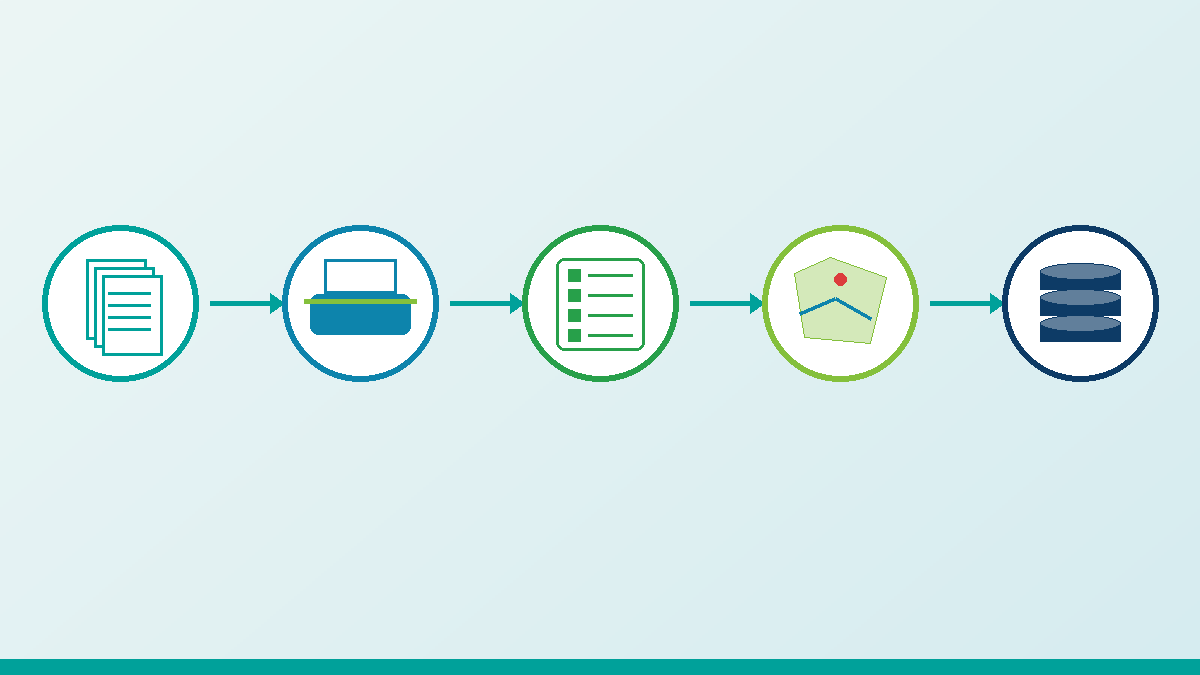
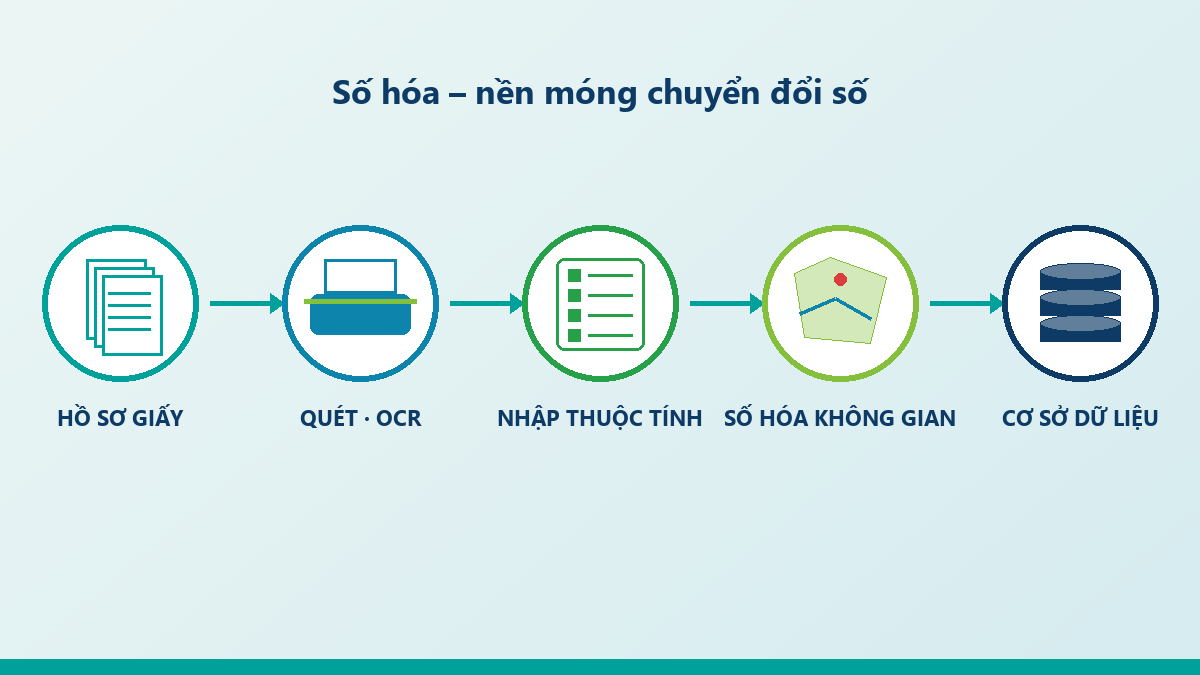
Software, digital maps, and artificial intelligence all require input data. In the natural resources and environment sector, most historical information still exists on paper: permits, maps, and reports. Digitization is the step that transforms this document repository into an exploitable data asset.
No digital data, no digital transformation. This article analyzes why digitization must come first and the common mistakes encountered
Common Mistakes
Scanning images without entering attributes — the data remains unsearchable and cannot be used for statistics
Initial budget estimates not aligned with the actual document repository, requiring adjustments during execution
Lack of a single point of contact for document handover between departments, causing schedule delays
No reconciliation process, making it difficult to verify and accept completed work volumes
Effective Approach
Conduct a thorough survey and inventory of the document repository before preparing the budget
Design the database first, then digitize according to the database structure
Provide daily progress and volume reports with the ability to reconcile data
Combine attribute and spatial digitization from the very beginning
Frequently asked questions
Why is data digitization the first step in digital transformation?
Because software, digital maps, and AI all require input data. The natural resources and environment sector still holds a significant amount of historical information on paper, which needs to be digitized to become exploitable data assets.
What is the most common mistake when implementing data digitization?
Scanning images without entering attributes, making the data unsearchable and impossible to aggregate. Additionally, the lack of a reconciliation process causes difficulties in acceptance.
How to organize data digitization effectively?
It is necessary to thoroughly survey the archive before preparing the budget, design the database before digitization, and combine attribute and spatial digitization from the very beginning.