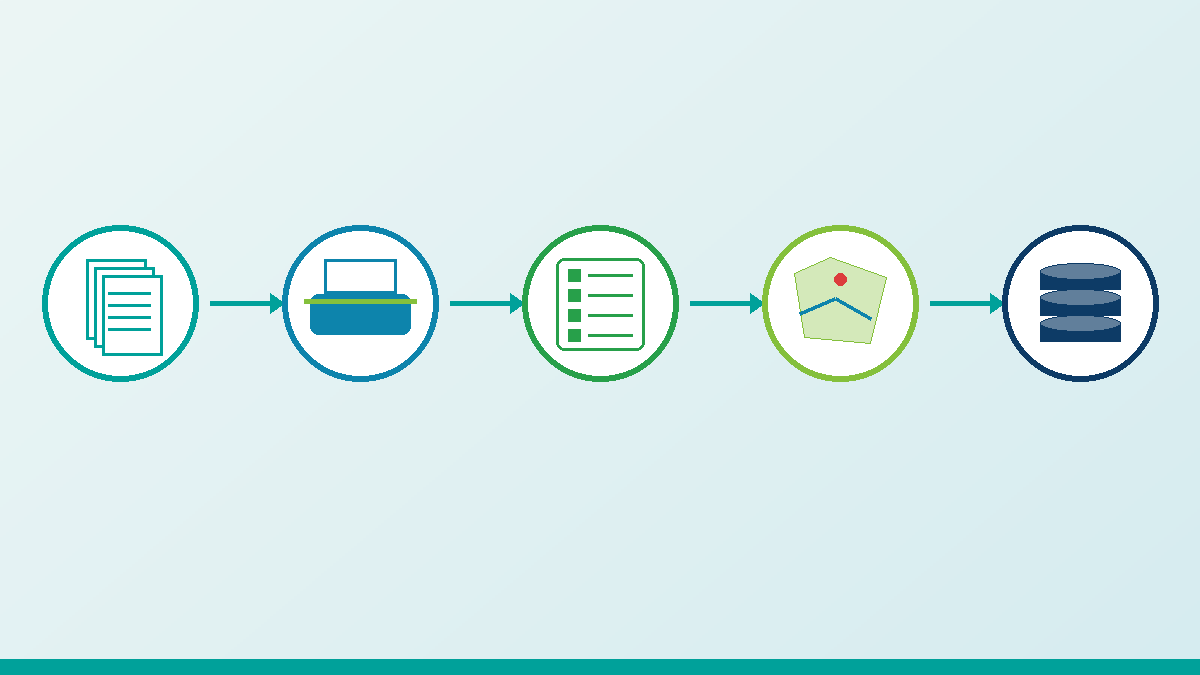
Cultivation data from sensors and production logs are linked to QR codes on the product, enabling agricultural products to meet export market requirements.
Recorded Data
- GPS location of fields, orchards, and ponds
- Timestamps for sowing, fertilizing, spraying, irrigation, and harvesting
- Environmental data from sensors: temperature, humidity, water quality
- QR/RFID codes attached to products
Benefits
- Full-chain transparency from farm to table
- Supports VietGAP/GlobalGAP certification and export standards for the EU, US, and Japan
- Enables fraud detection and rapid containment of food safety incidents
Example
Products such as dragon fruit, mango, and sturgeon have leveraged traceability to enhance value and expand market reach.
Frequently asked questions
What data is recorded in the traceability system?
The system records GPS locations, timestamps of cultivation activities such as sowing, fertilizing, and spraying, along with environmental data from sensors and QR/RFID codes.
What are the main benefits of implementing traceability?
It ensures transparency across the entire chain from farm to table, supports obtaining certifications such as VietGAP/GlobalGAP and export standards, and enables rapid detection of fraud.
Which products have applied this solution?
Dragon fruit, mango, and sturgeon are typical examples that have used traceability to enhance value and expand markets.