
Why do businesses need automatic, continuous wastewater monitoring?

Why do businesses need automatic, continuous wastewater monitoring?

Automatic wastewater monitoring is not only a legal obligation but also helps businesses operate treatment systems efficiently and proactively manage risks.

Legal Obligations

Under the 2020 Environmental Protection Law and Decree 08/2022/ND-CP, facilities with large wastewater discharge volumes are required to install automatic, continuous wastewater monitoring systems and transmit data to the competent authorities.

Operational Benefits

  • Immediate detection when pH, COD, or TSS exceed thresholds, enabling timely adjustment of the treatment system
  • Reduced risk of penalties for discharges exceeding regulatory standards
  • Optimization of chemical usage and energy consumption through real-time data
  • Transparent data evidence when engaging with competent authorities

System Components

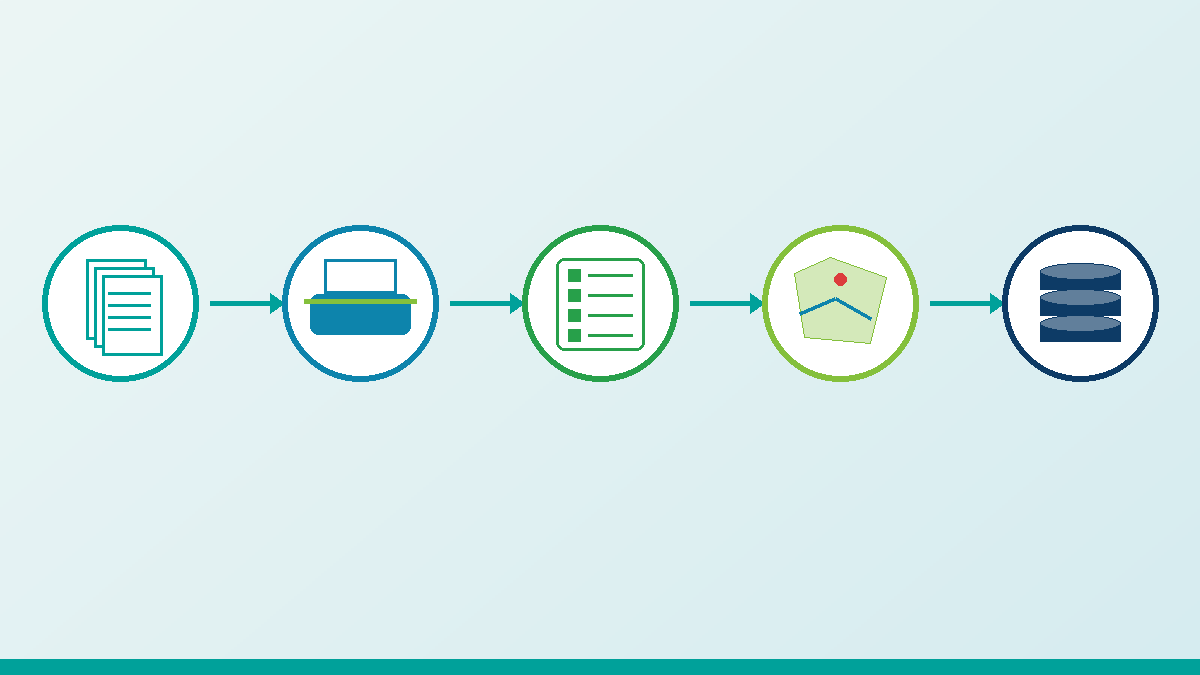
  • Online measurement instruments: pH, temperature, COD, TSS, flow rate, and characteristic parameters
  • Automatic sampler
  • Datalogger and communication link
  • Surveillance camera at the discharge point
  • Monitoring, alerting, and reporting software
Frequently asked questions

Which businesses are required to install automatic wastewater monitoring systems?

Facilities with large wastewater discharge volumes are required to install such systems under the 2020 Environmental Protection Law and Decree 08/2022/ND-CP.

What components make up an automatic wastewater monitoring system?

It includes online measurement devices (pH, COD, TSS...), automatic samplers, dataloggers, surveillance cameras, and reporting software.

How does automatic monitoring help businesses reduce risks?

It helps detect early when parameters exceed thresholds, reduces the risk of penalties for non-compliant discharges, and provides transparent data evidence.

0917020785